
Hip Lock: Golf has got this Wrong
Sep 08, 2026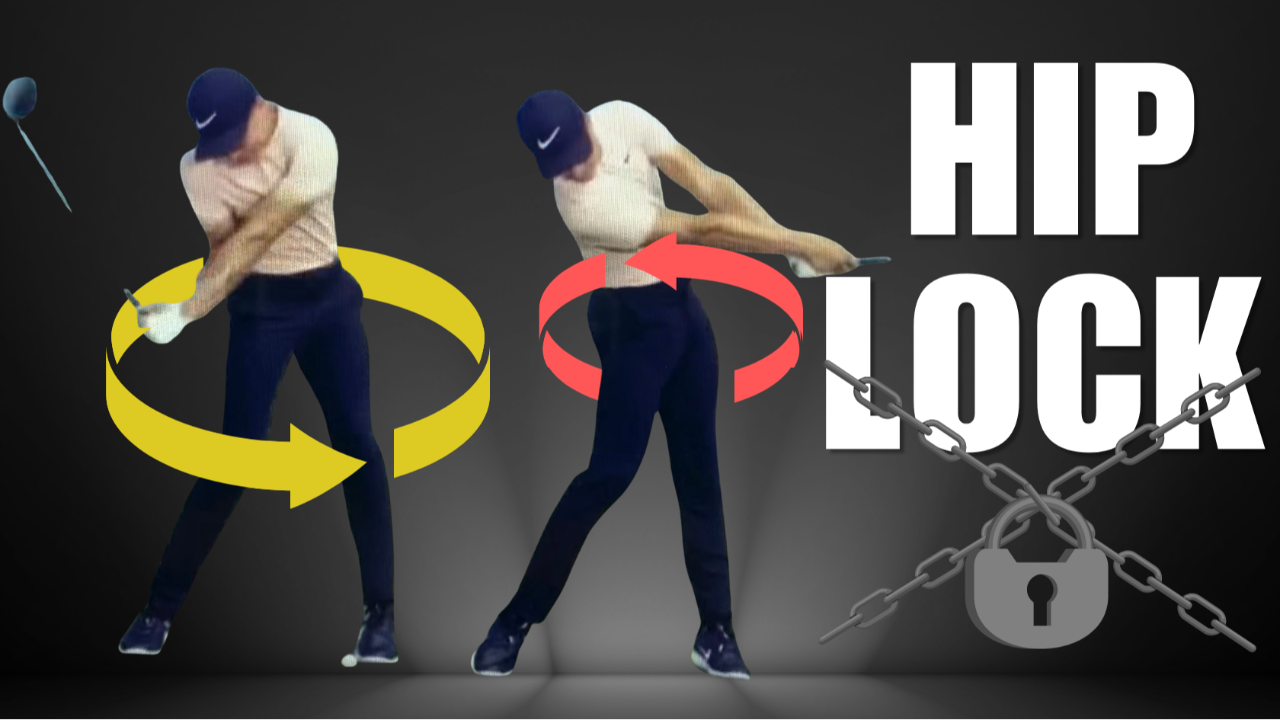
Who knew?
Hi {{ first_name }}
When Rory McIlroy burst onto the scene with his extraordinary power, golf biomechanics and 3D motion tracking were also beginning to flourish.
The data appeared to reveal an anomaly. From the start of the downswing, Rory’s pelvis accelerated hard towards the target—yet just before impact, it slowed dramatically and actually rotated slightly in the opposite direction.
At first, this looked unique to Rory. But that is not the case.
We began to see the same coordinated pattern in powerful players throughout the game and, to a lesser degree, in ALL Professionals.
In Cameron Champ’s swing above and Brooks Koepka below, the club travels an enormous distance through and beyond the hitting zone while the pelvis has completely stopped rotating.
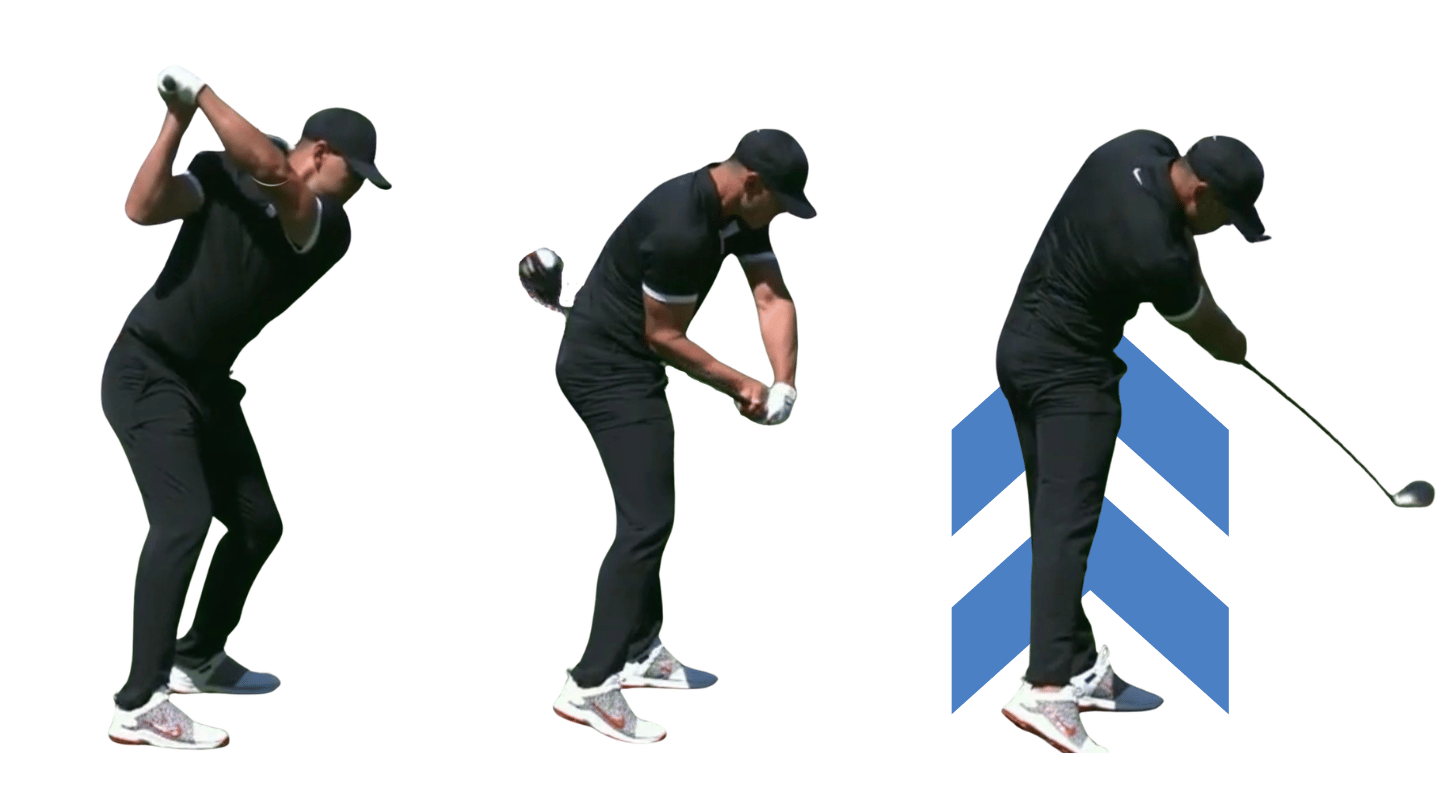
Brooks Koepka
This matters because the golf industry has spent years telling players to keep rotating THROUGH THE BALL and warning them not to STALL.
What if it is the very mechanism that creates a stable platform, transfers energy up the chain and allows the club to move at speed?
You can't fire a cannon from a canoe!
Looking beyond golf and into the darkest corners of movement science has helped me recognise that this pattern is far more than simply a power mechanism used by the world’s best players. In other sports, the same action is coached as a fundamental.
I recently connected with one of the leading coaches in Major League Baseball, where the movement is known as Hip Lock. It is not simply a product of ground reaction force. It involves an isometric co-contraction of the muscles surrounding the hip: multiple muscles working together without lengthening or shortening.
The encouraging part is that Hip Lock is remarkably easy to train with the right approach.
It improves the way energy passes through the body, but its value is not limited to power. Delivering the club from a stable pelvis can also have a profound effect on accuracy and control.
This has far-reaching consequences for the way we view many of the swing problems golfers struggle with—early extension, flipping, and the whole mechanism of the release, to name only a few. Rather than treating each fault in isolation, we can begin to understand the coordination pattern beneath.
That is the difference between simply prescribing another swing position and exploring how skilled movement is actually organised.


Stay Connected
Get Dr Noel's monthly newsletter and be the first to receive new blog posts and coaching videos, starting with the FREE PRACTISE GUIDE
We hate SPAM. We will never sell your information, for any reason.
